Exploring the Beauty and Versatility of Idaho's State Flower: The Syringa
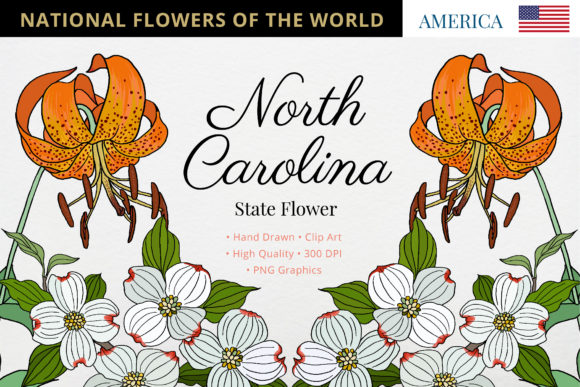
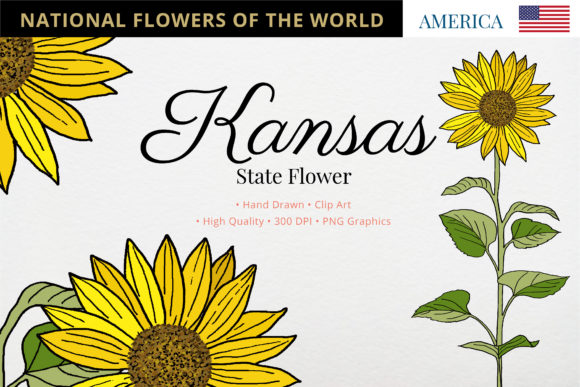
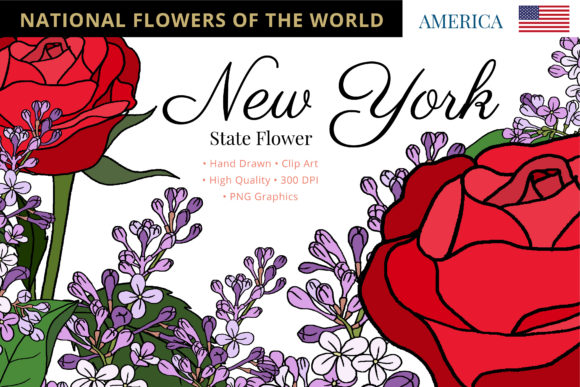
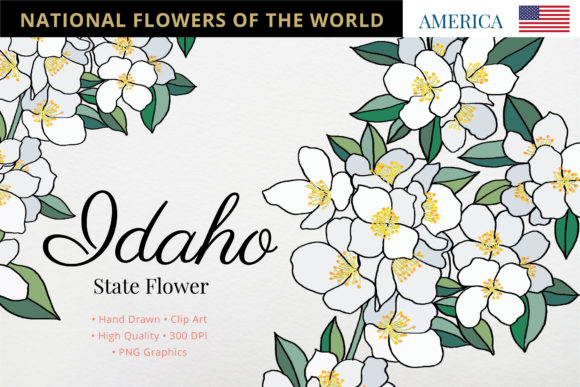
The Idaho State Flower, the Syringa (Philadelphus lewisii), is a symbol of natural beauty and resilience. This article delves into the characteristics, significance, and various applications of this enchanting flower, which is part of the National Flowers of The World Collection and Flowers State of America series.
Characteristics of the Syringa
The Syringa, also known as the Mock Orange, is a deciduous shrub that thrives in the mountainous regions of Idaho. It is characterized by its fragrant white flowers, which bloom in late spring to early summer. The flowers are not only visually appealing but also emit a delightful, sweet fragrance reminiscent of orange blossoms, hence the name "Mock Orange."
Growth and Habitat
The Syringa typically grows to a height of 6-10 feet and can spread up to 8 feet wide. It prefers well-drained soil and partial to full sunlight. This hardy plant is adaptable and can withstand cold temperatures, making it an ideal choice for gardens in cooler climates.
Significance and Symbolism
The Syringa holds a special place in the hearts of Idahoans. It was officially designated as the state flower in 1931, chosen for its natural beauty and historical significance. The flower represents the enduring spirit and natural heritage of Idaho, embodying the state's commitment to preserving its natural landscapes.
Cultural and Historical Context
Beyond its official status, the Syringa has deep cultural roots. Native American tribes, such as the Nez Perce, used the plant for medicinal and ceremonial purposes. The bark and leaves were utilized in traditional remedies, and the wood was valued for its durability and resistance to rot.
Practical Applications and Creative Uses
The Syringa's versatility extends beyond its ornamental value. It is a popular choice for landscaping, providing both aesthetic appeal and practical benefits. Here are some creative and practical uses of the Syringa:
- Garden Design: The Syringa's elegant white flowers and lush green foliage make it a perfect addition to any garden. It can be used as a focal point, hedge, or border plant, adding texture and fragrance to the landscape.
- Wildlife Habitat: The Syringa supports local wildlife, including bees, butterflies, and birds. Its nectar-rich flowers provide a vital food source for pollinators, contributing to biodiversity and ecosystem health.
- Artistic Inspiration: The Syringa's delicate beauty and rich symbolism have inspired artists and designers. It is featured in the International Collection of Floral Drawings, where it is celebrated for its elegance and charm. These drawings are perfect for a variety of creative projects, including souvenirs, art prints, logos, and greeting cards.
High-Quality Graphics and Design
For those looking to incorporate the Syringa into their creative projects, high-quality graphics are available. The Idaho State Flower Syringa collection offers 300 DPI PNG graphics, with the largest image size being 2500 x 2500 pixels. These images are ideal for print on demand, sublimation, embroidery design, and more. The detailed and vibrant illustrations capture the essence of the Syringa, making them a valuable resource for designers and creators.
Considerations for Growing and Caring for Syringa
While the Syringa is a hardy and low-maintenance plant, proper care is essential to ensure its health and longevity. Here are some tips for growing and caring for Syringa:
- Site Selection: Choose a location with well-drained soil and partial to full sunlight. Avoid areas with standing water, as the Syringa does not tolerate wet conditions well.
- Watering: Water the plant regularly, especially during the first year of growth. Once established, the Syringa is drought-tolerant and requires minimal watering.
- Pruning: Prune the Syringa after flowering to remove dead or damaged branches and to maintain its shape. Regular pruning encourages healthy growth and abundant blooms.
- Pest and Disease Management: Keep an eye out for common pests and diseases, such as aphids and powdery mildew. Use organic methods, such as neem oil, to manage these issues and promote a healthy plant.
Conclusion
The Idaho State Flower, the Syringa, is a testament to the natural beauty and resilience of Idaho. Whether you are a gardener, artist, or nature enthusiast, the Syringa offers a wealth of opportunities for appreciation and creativity. Its enduring presence in the landscape and its versatile applications make it a cherished and valuable resource. As you explore the world of the Syringa, may you find happiness in the flower garden of your love.